Art Break: We visited the Art Deco Exhibit at the National Museum.
Last January 29, Grupo Santamaria left the office early to head off for an Art Break! The National Museum of the Philippines has an ongoing exhibit named “Art Deco: Modernity and Design in the Philippines 1925-1950,” a major exhibition featuring over 300 objects celebrating the centennial of the Art Deco style. It was a special trip to the museum for us as two of our designers, Nikki and Tien, have never been to the National Museum and they were excited to see Juan Luna’s “Spoliarium” up close for the first time. Art Deco is also one of our favorite design periods that we reference for projects, especially the era’s ornamental details and color palettes.
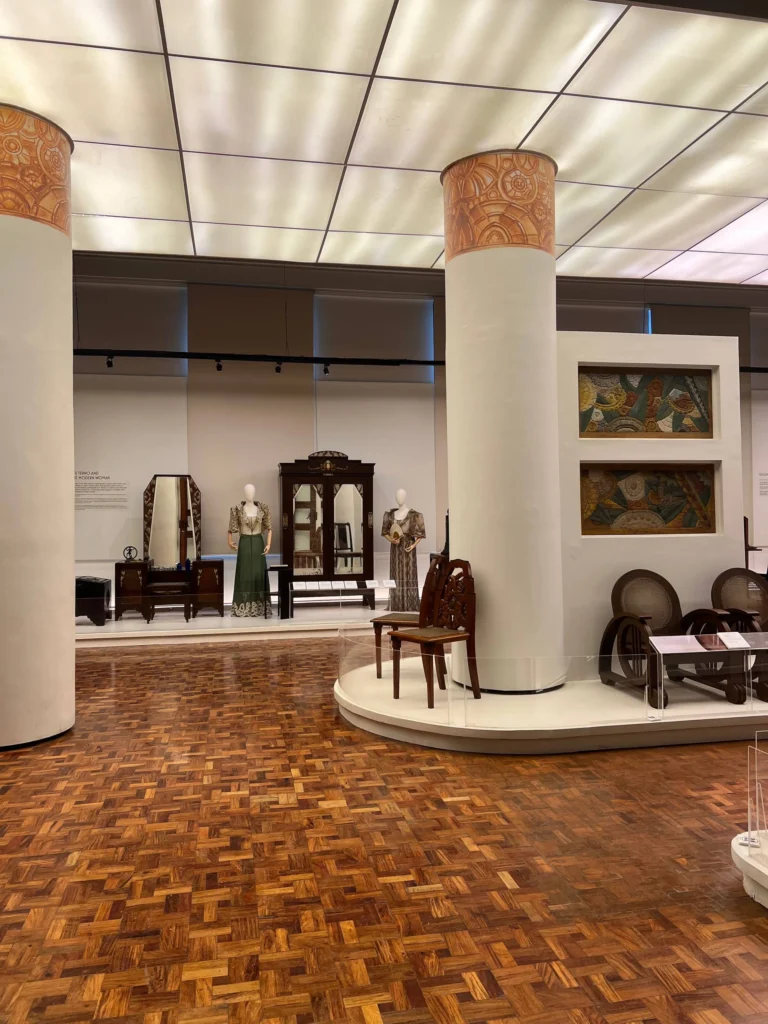
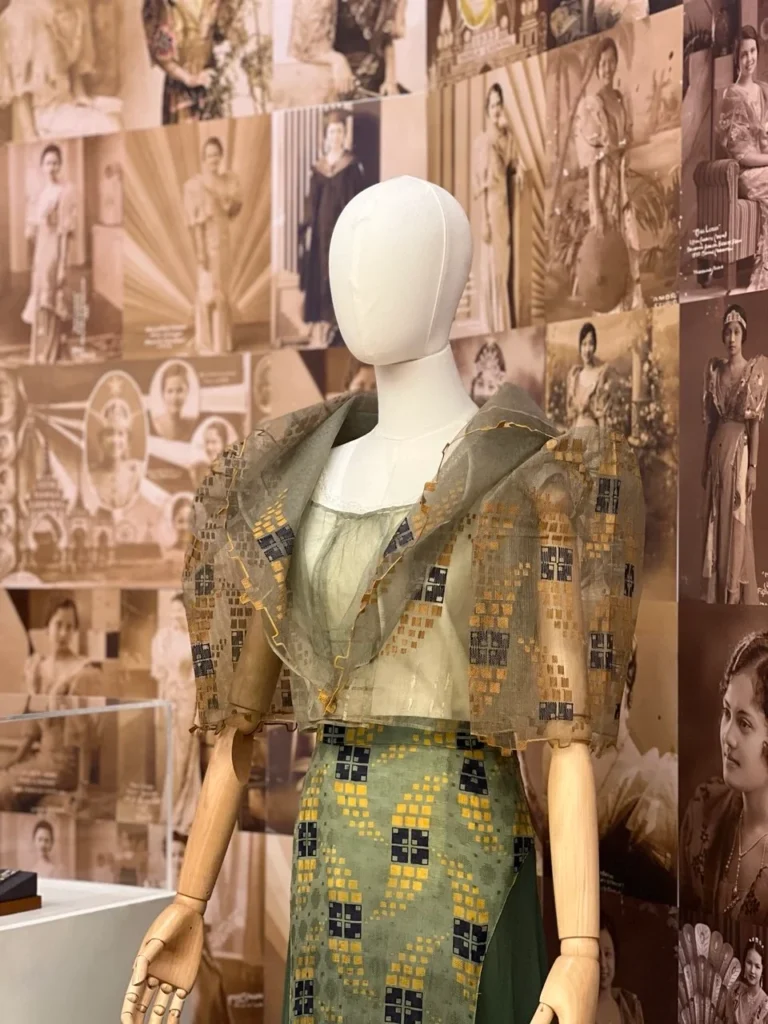
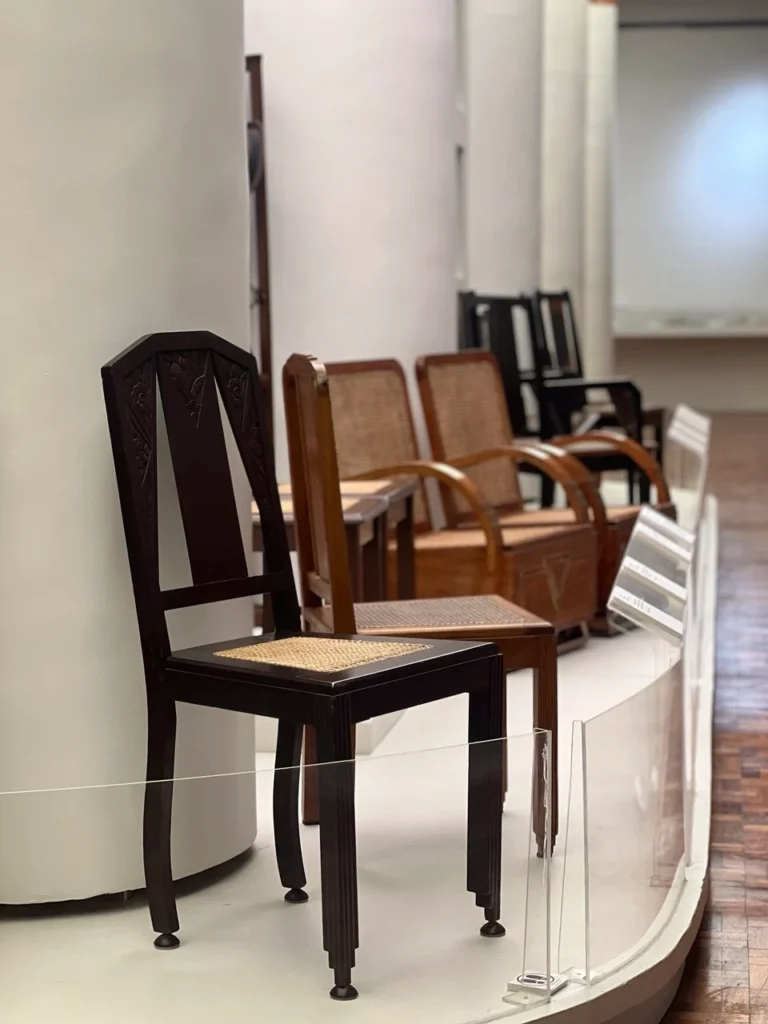
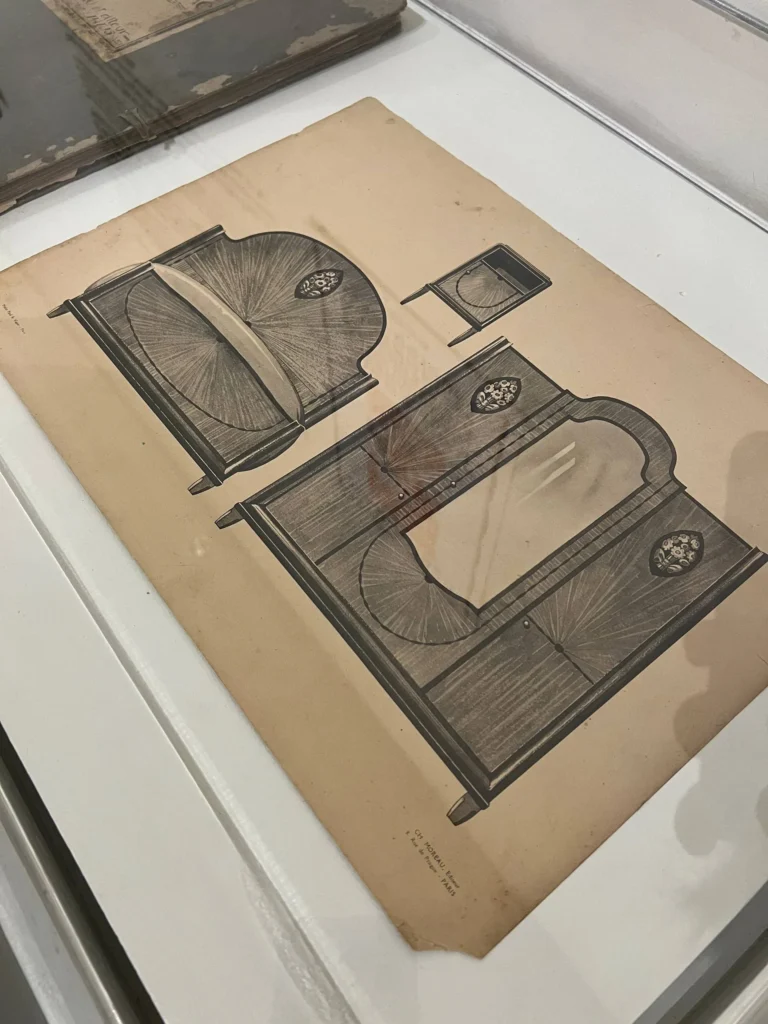
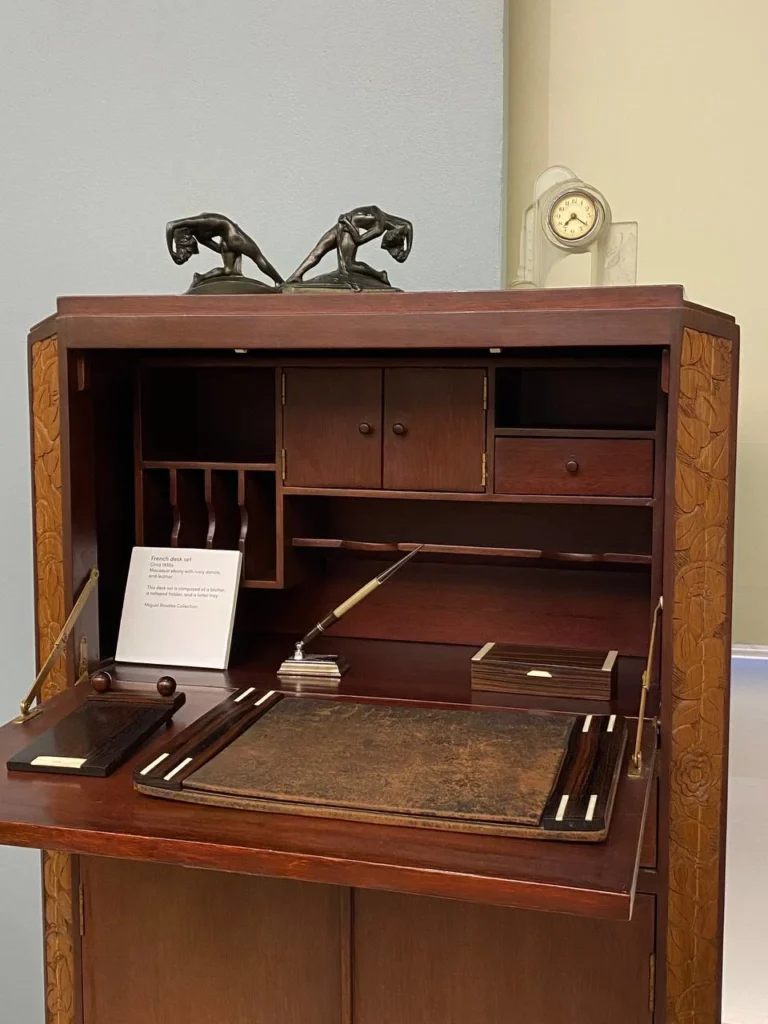
This exhibition, curated by the Architectural Arts and Built Heritage Division (AABHD) alongside Ivan Man Dy and Miguel Rosales, is the largest ever devoted to this design period in the Philippines. Congratulations to our friend Miguel, the whole team left the museum inspired by the aesthetic and design sensibilities of the period.
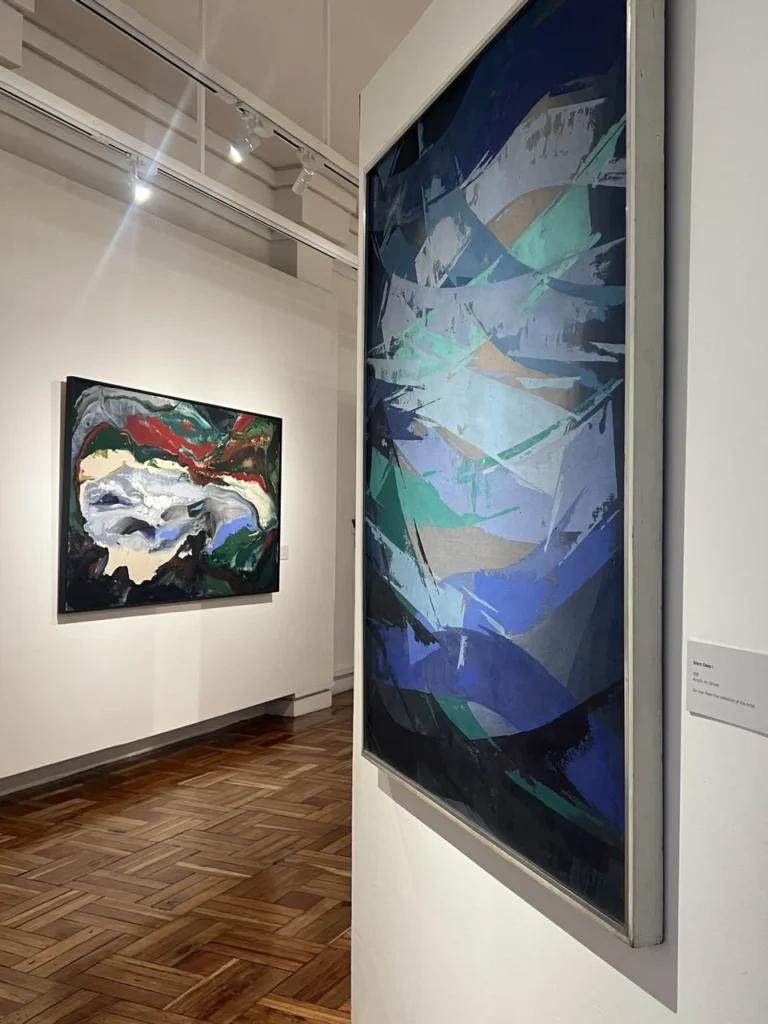
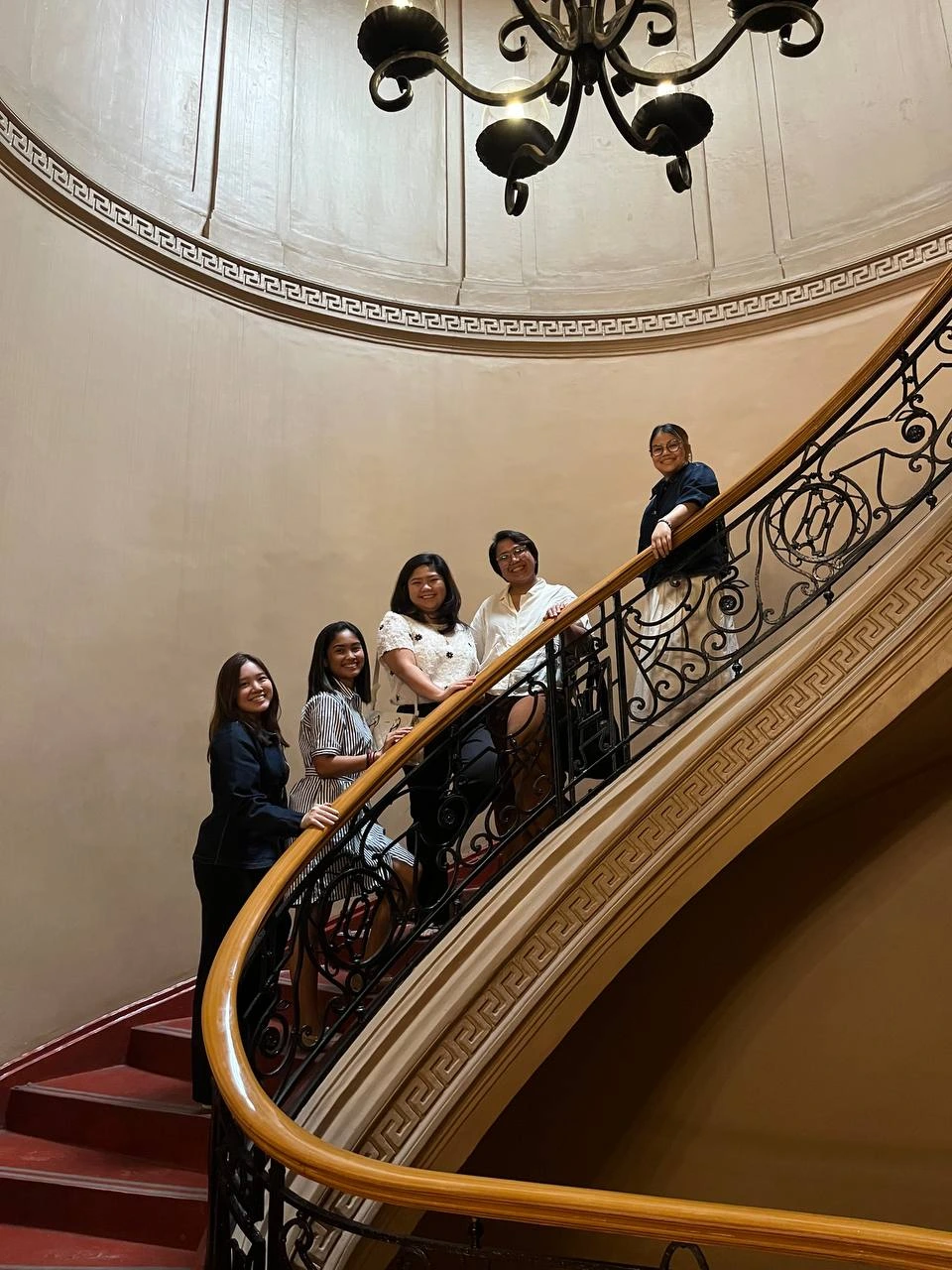
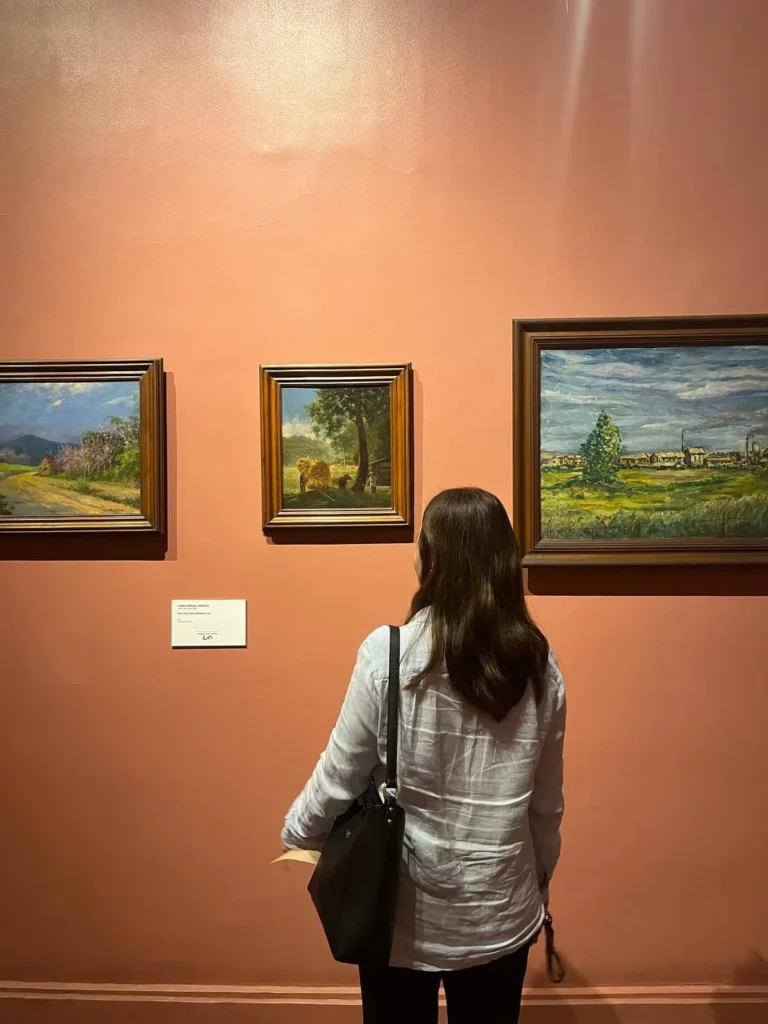
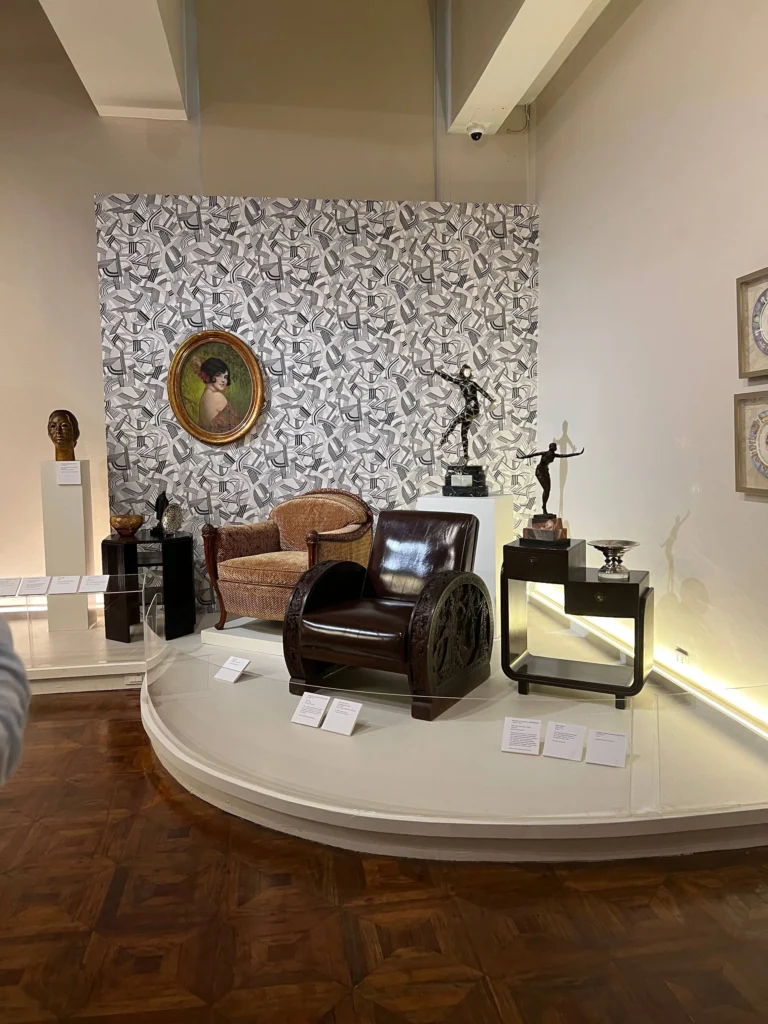
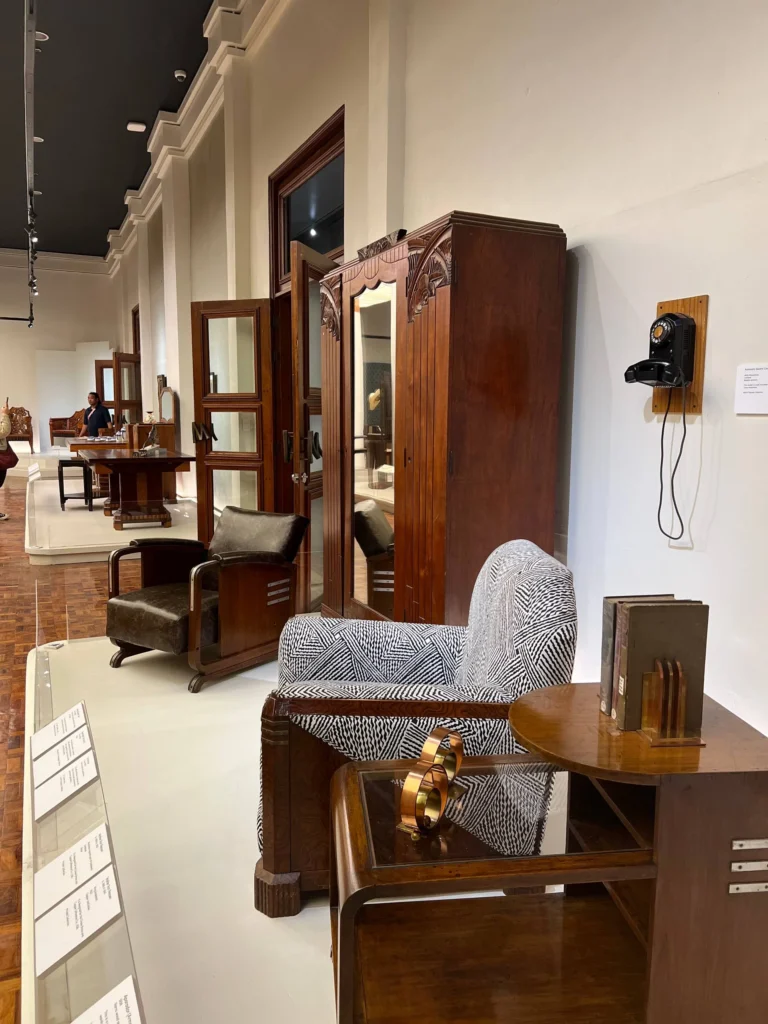
It was exciting to see Deco details up close and personal, straight out of our study books and classroom lectures back in College. To see the floral and organic motifs, geometric shapes, and angular styles that defined the furniture, house ware and dress of the period was so interesting…as it was so different from how things are built today for mass consumption in the modern world.
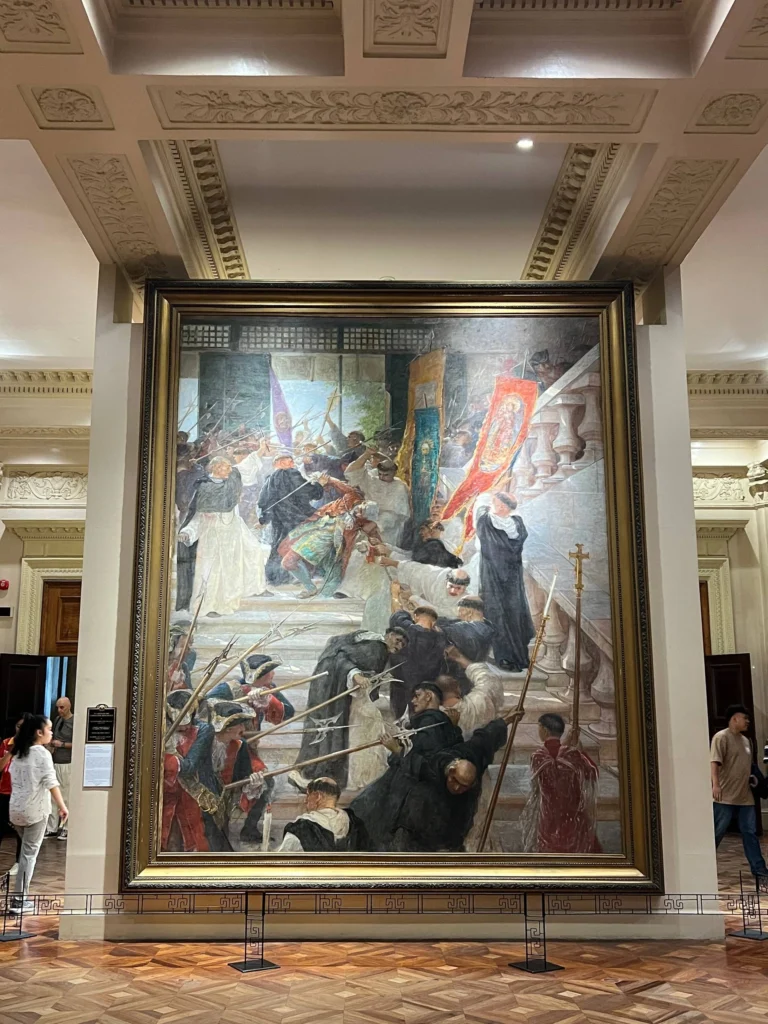
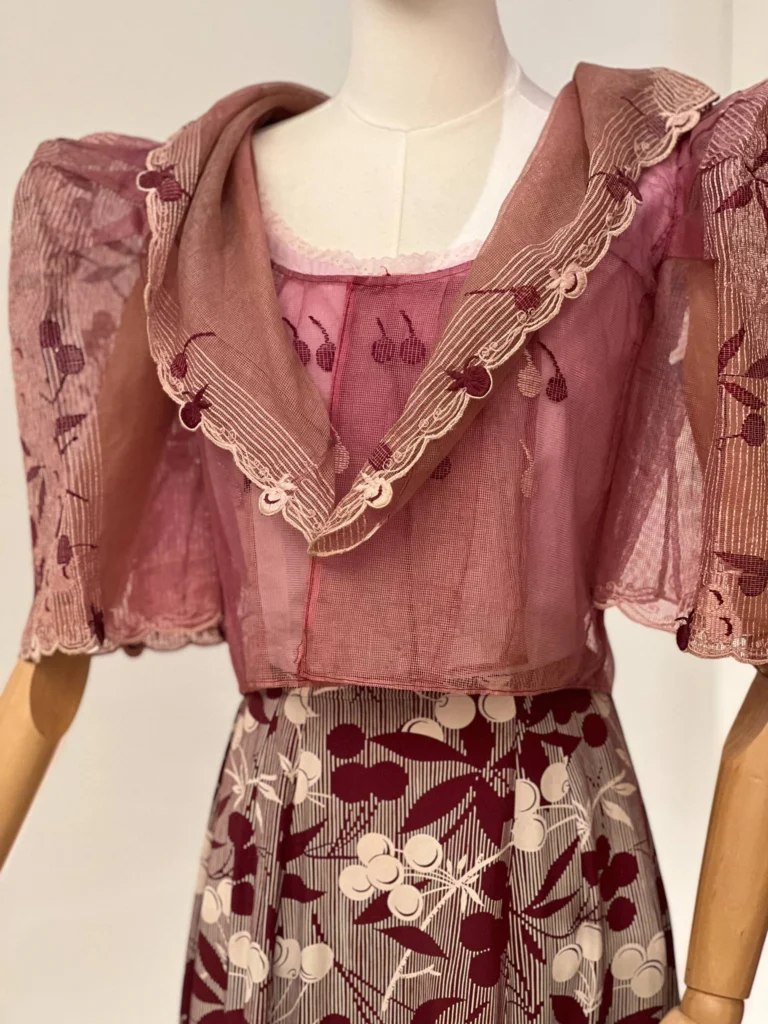
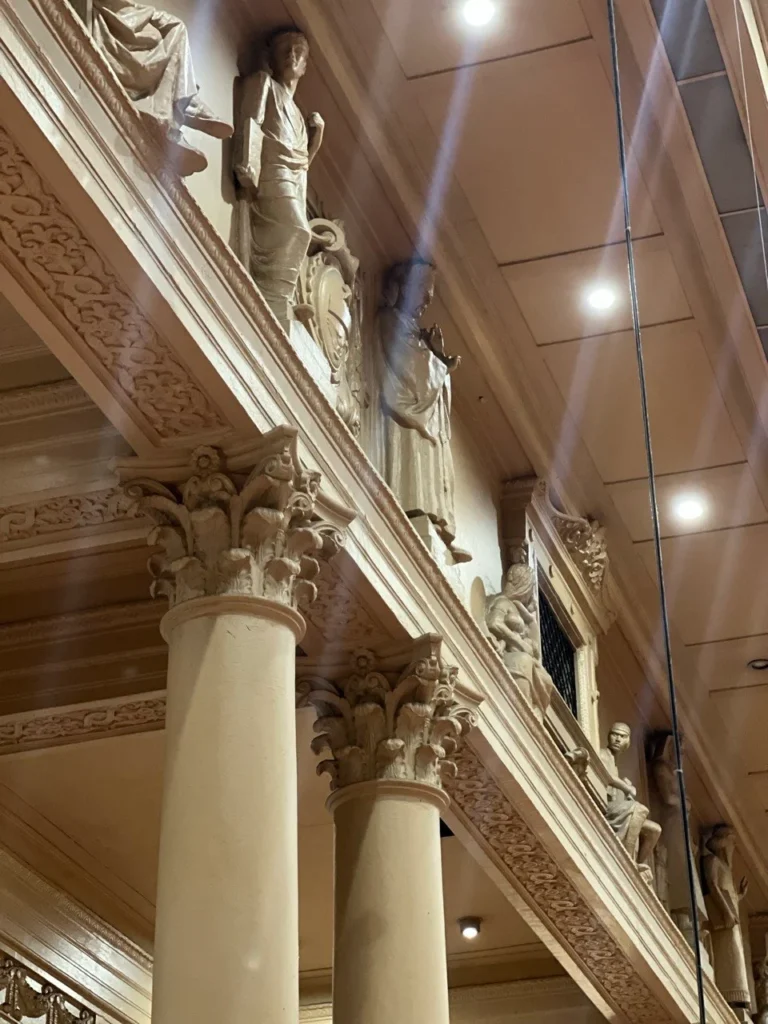
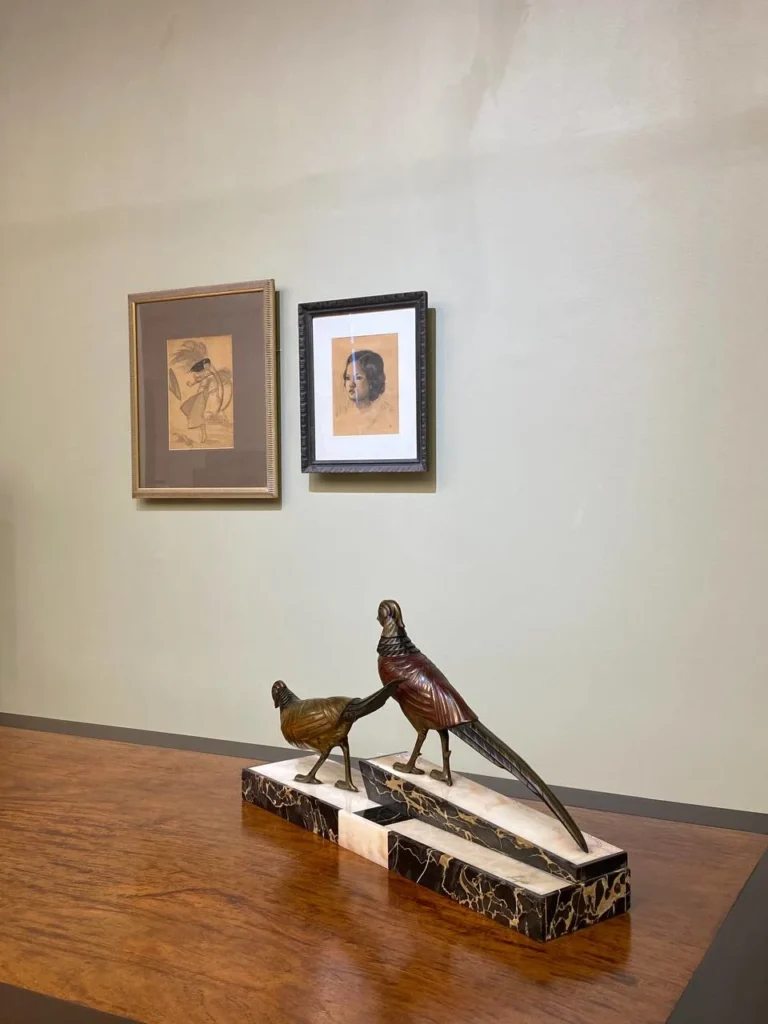
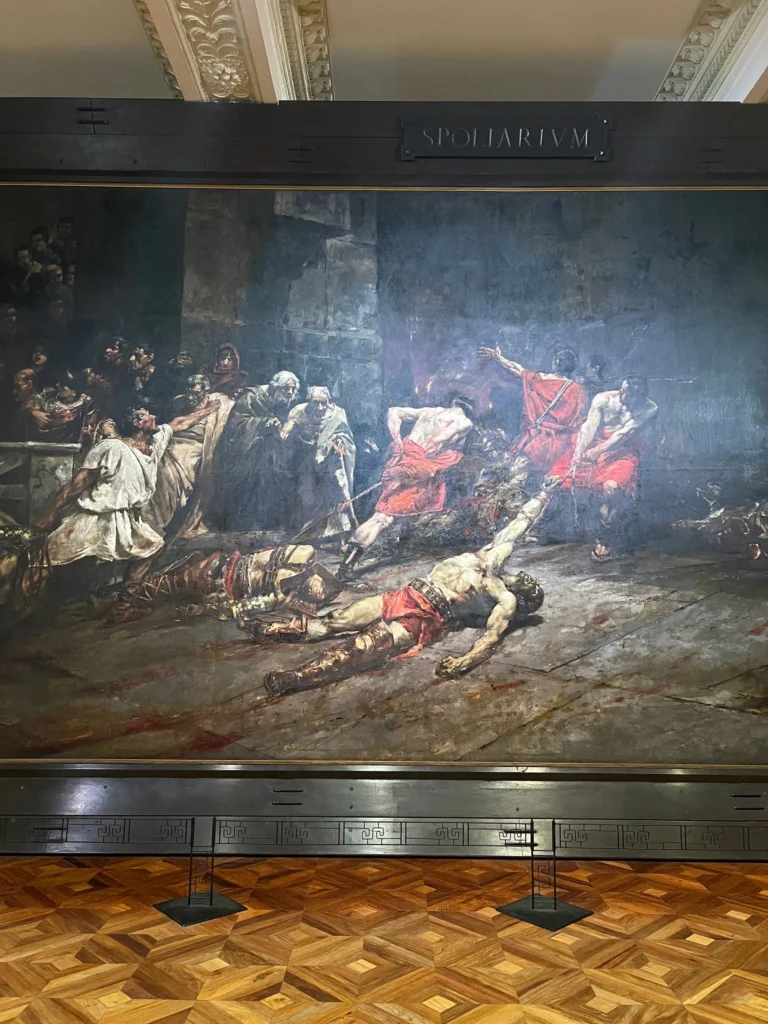
“Art Deco represents a 1920s-1930s era of luxury, modernism, and optimism, merging machine-age technology with craftsmanship . Key themes focus on elegance, geometric forms, and opulent decoration, often described as an “idealistic sense of luxury, frivolity, travel, dance, freedom and eternal optimism” — From the book “From Egalitarian to Elite: 100 Years of Art Deco” Click here for info.
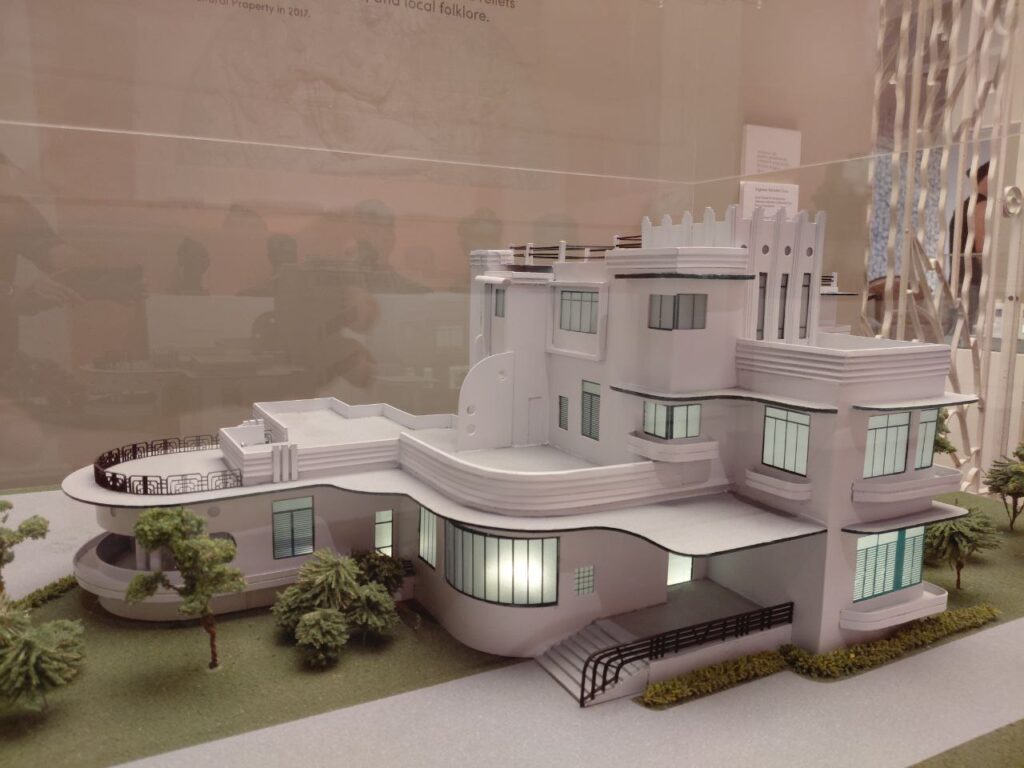
A scaled model of an actual and typical Art Deco home located in Bacolod, Philippines. This home, named “Daku Balay” (meaning big house in Hiligaynon) was owned by farmer and businessman Generoso Villanueva and was designed and built by Cebuano engineer Salvador Cindo. It was declared an Important Cultural Property in 2019.
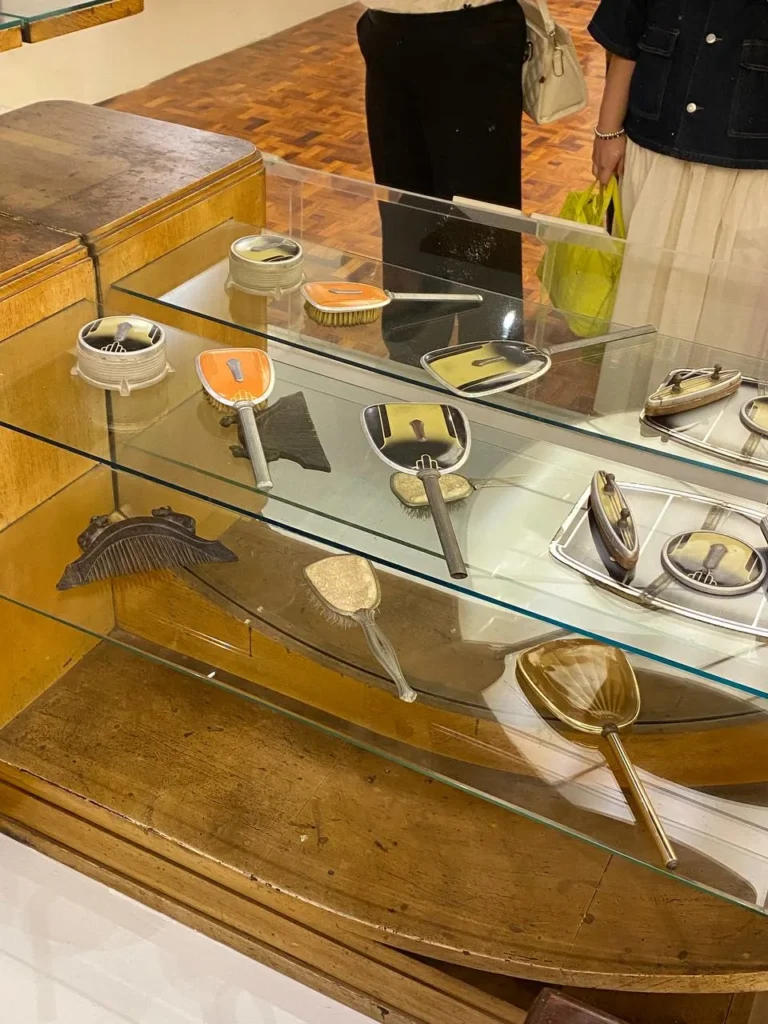
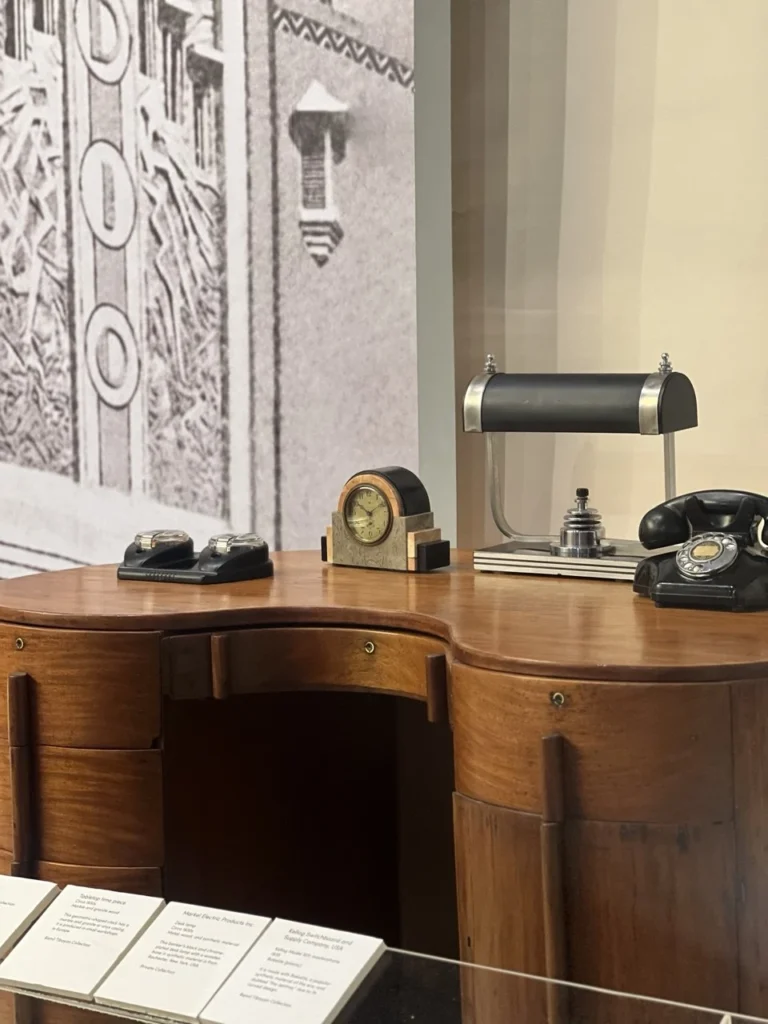
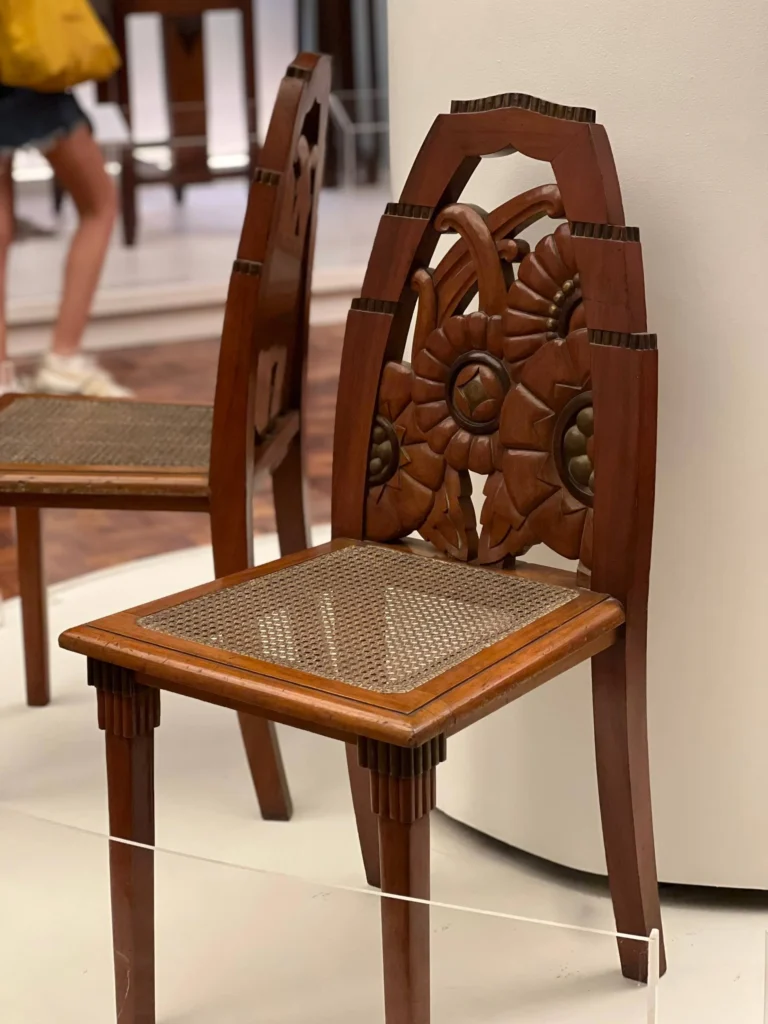
Everyday objects back then were certainly more special and thoughtfully designed compared to the mass-produced, disposable items we have today. A simple hairbrush or a humble mantle clock had details that were worth passing down generations as a sign of prosperous times.
“I think there is a certain elegance, joy, and refinement from this period in time that refuses to fade away….an optimism and joy for life that was borne out of the sadness of the survivors of World War 1. A visual crusade for rebirth where natural motifs, new materials, and bold shapes that signified daring and hope were included in everyday lives. Something we can definitely get inspiration from nowadays. “—IDr. Nina M. Santamaria
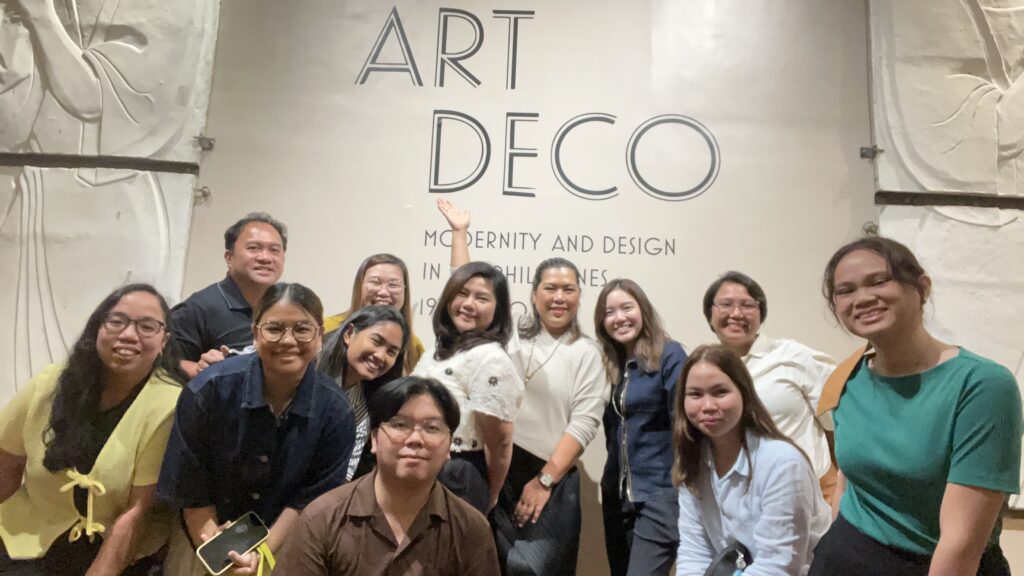
Exhibit runs until May 31, 2026. For the National Museum’s additional notes on the exhibit please click here.